Oh Lily!
E-commerce & health food
A healthy-snack brand bridging tasty food and wellbeing through Ayurveda, selling direct to consumers on Shopify.
Why this brief existed.
Oh Lily! sells healthy snacks direct to consumers on a simple proposition: wellbeing can start with a snack that actually tastes great. The brand bridges tasty food and health using Ayurveda, and runs a blog to bring in organic traffic.
The market is moving their way. Nutritional value is influencing shoppers' choices more than ever, and Oh Lily! is responding by replacing empty calories with functional ingredients.
So the problem is neither the product nor the traffic. It's what happens once someone is on the site. The brief asked the team to rethink the design and interactivity of the website so a potential customer converts faster, with specific attention to the way people interact with the calls to action.
“Re-think the design and interactivity of the website for the potential customer to convert faster, focusing on the way they interact with the Call To Action.”
What Oh Lily! asked for.
Rethink the website and its calls to action so visitors convert faster - growing newsletter sign-ups and sales while reducing the number of clicks between a landing page and checkout.
What the students worked within.
Who the design had to serve
Primarily the UK and the USA, aged 25 and up. Lifestyle consumers keen to try plant-based products, families who want to share better snacks with their children, and a growing male audience in the sport community. They want snacks that taste great and carry a health benefit - soul food, a holistic approach to health. They eat them on their own and on top of salads, soups, porridge and ice cream, at any time of day. As the brief puts it, they want to enjoy themselves while feeling good.
Constraints in the brief
- The website runs on Shopify, so the redesign had to work within what that platform allows.
- Two conversions matter, not one: newsletter subscribers - the brief floats a lead magnet as one route - and sales.
- An explicit structural target: reduce the number of clicks between a landing page and checkout.
- Six weeks, end to end, from discovery research through to a case-study presentation.
- The listed deliverables were a minimum. Teams were invited to go beyond them.
What the team had to figure out.
No answers were supplied with the brief. These are the questions the students had to research, argue about and design their way through.
- Which calls to action are doing real work, and which are only present?
- How do you serve two different conversions on the same page without one cannibalising the other - a soft newsletter sign-up and a hard add-to-basket?
- What's the shortest honest path from a landing page to checkout, and which of the current steps are actually load-bearing?
- How much of the Ayurveda and wellbeing story does a first-time visitor need before they'll buy, and where does it belong?
- The blog exists to earn organic traffic. What should happen to a reader who arrives there rather than on a product page?
The actual work.
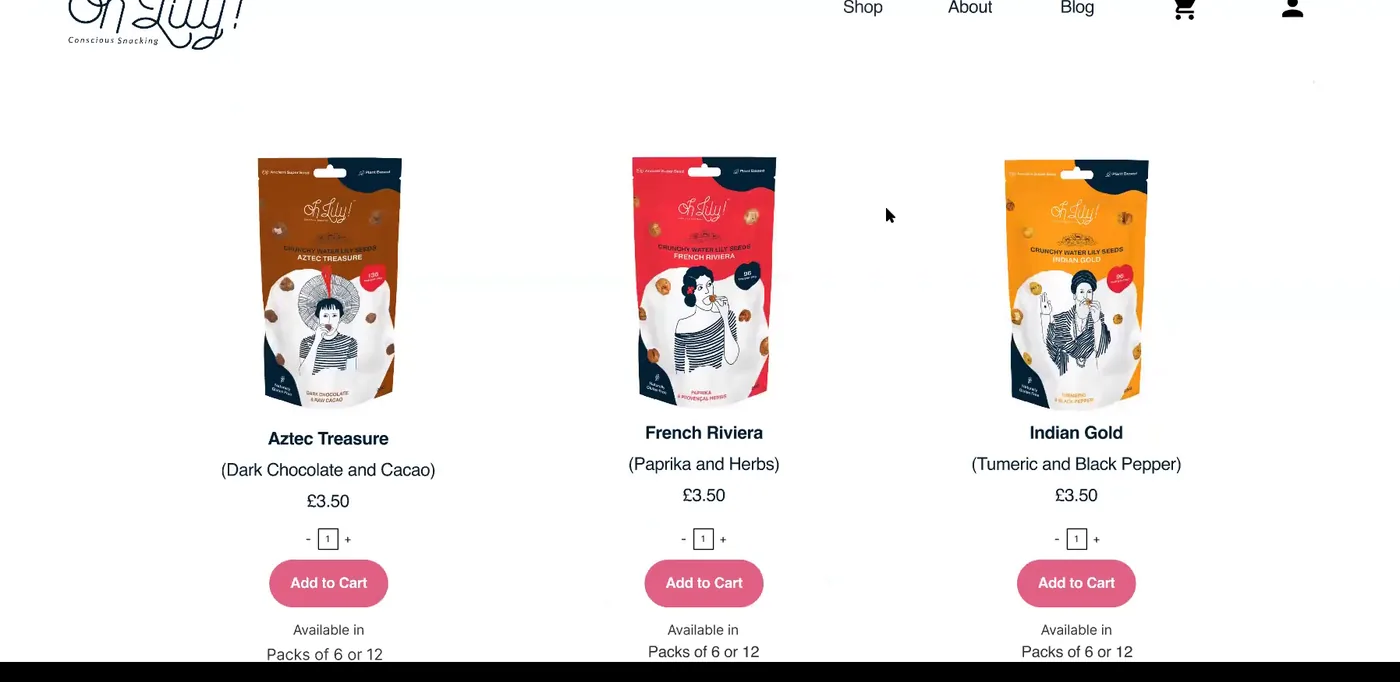
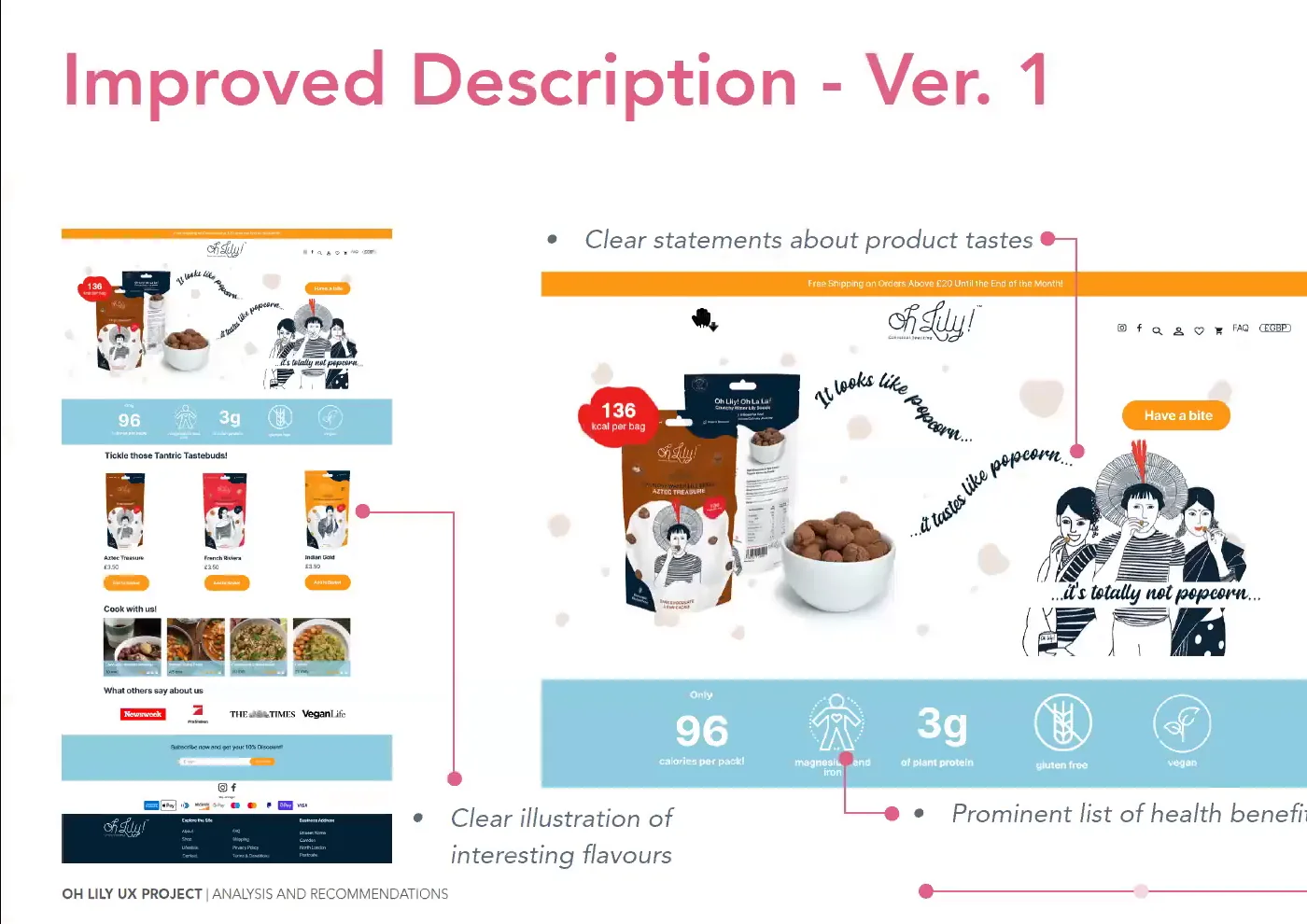
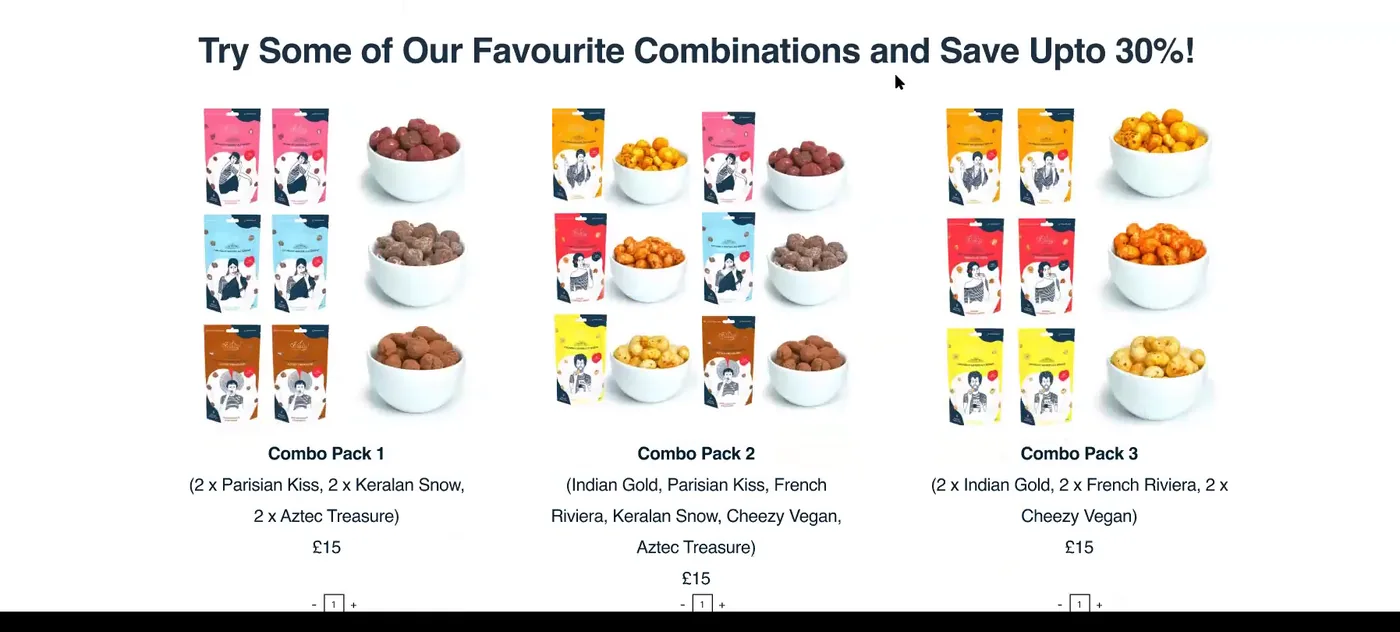
Design artefacts captured from the recording of the team's final client presentation.
Every cohort gets a real brief.
UX Academy courses are 100% live online, capped at 10 students, and built around a genuine client brief rather than a simulated exercise. Students work to the client’s real constraints and present their work back to the client — which is what turns a course project into a portfolio piece you can talk through in an interview.
Courses that cover this kind of work.
Want a brief like this on your CV?
Get the full curriculum and see how the client project runs.
Work on a real brief. Build your portfolio.
Speak to an advisor about whether this is a realistic move for you, or browse the courses to find your fit.